Peanut Jelly: A Script Handwritten Font for Modern Web Design
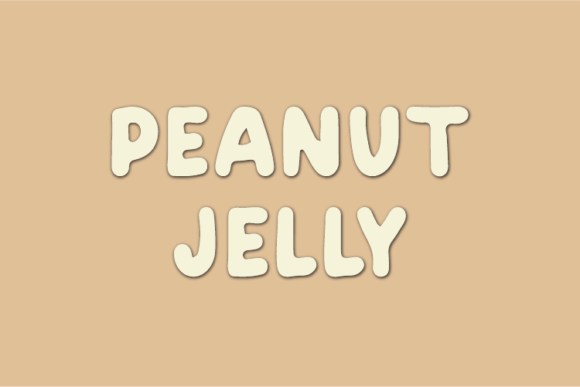
I was working on a new portfolio site for a creative graphic designer when I stumbled upon Peanut Jelly. As someone who values both aesthetics and functionality in web design, I was immediately drawn to its clean yet expressive style. Peanut Jelly is an adaptable and clean handwritten font that brings a natural and unique charm to any digital layout. It’s not just another script font—it's a versatile tool that can elevate the visual storytelling of your brand without sacrificing readability.
Peanut Jelly for Branding a Creative Portfolio
For this project, I needed a font that could reflect the personality of the designer while maintaining clarity. Peanut Jelly fit perfectly. Its natural flow and subtle irregularities give it a human touch, which is especially effective in branding. I used it for the site title and section headers, creating a cohesive look that felt personal and authentic. Peanut Jelly is ideal for creative portfolios where the visual identity needs to feel genuine and engaging.
The font’s adaptability allowed me to use it across different sections of the site. On the homepage, I placed Peanut Jelly over a background image to draw attention to the hero section. The contrast between the soft, handwritten strokes and the bold visuals made the content pop. For smaller elements like buttons and call-to-action text, I adjusted the weight and spacing to ensure legibility without losing the font’s character.
Peanut Jelly for Boutique Online Stores and Product Pages
Later, I tested Peanut Jelly on a boutique online store mockup. The product landing page required a font that could balance elegance with approachability. Peanut Jelly’s clean lines and organic curves made it a great fit for product titles and promotional banners. It added a sense of warmth and authenticity to the brand’s voice, which is essential for small businesses looking to connect with their audience.
I also considered how Peanut Jelly performed on mobile devices. Since many users browse product pages on smartphones, I made sure to adjust the font size and spacing for optimal readability. Peanut Jelly’s open letterforms and consistent stroke width helped maintain clarity even at smaller sizes. This makes it a strong candidate for any website that prioritizes user experience across all screen sizes.
Peanut Jelly for Course Sales Pages and Digital Marketing
When designing a course sales page, I wanted to create a sense of trust and expertise while keeping the tone friendly. Peanut Jelly’s natural style worked well for headlines and key selling points. It’s a script handwritten font that feels professional yet approachable, making it perfect for educational or coaching websites.
I paired Peanut Jelly with a simple sans serif font for body copy, ensuring a clear visual hierarchy. The contrast between the decorative headings and the clean text helped guide the reader’s eye through the content. This kind of font pairing is a common practice in modern web design, and Peanut Jelly’s versatility made it easy to integrate into a broader typographic system.
Peanut Jelly for Blog Headers and Social Media Graphics
Another use case I explored was applying Peanut Jelly to blog headers and social media graphics. The font’s unique style adds a touch of personality to content that might otherwise feel too formal. I used it for post titles and featured images, creating a more engaging and memorable user experience.
When designing for platforms like Instagram or Pinterest, I paid close attention to how Peanut Jelly looked against different background colors and image textures. Its adaptability means it can work well in a variety of contexts, whether it’s over a dark photo or against a light-colored banner. This flexibility is one of the reasons why Peanut Jelly stands out among other script handwritten fonts.
Peanut Jelly for Responsive Web Design and Accessibility
As part of my testing process, I also evaluated Peanut Jelly’s performance in responsive layouts. I checked how it rendered on different screen sizes and device orientations. Peanut Jelly’s clean structure and balanced proportions made it a reliable choice for both desktop and mobile experiences. It maintained its readability and aesthetic appeal even when scaled down, which is crucial for accessibility and user engagement.
I also considered the font’s impact on brand trust. While a decorative font like Peanut Jelly can add visual interest, it must be used thoughtfully. I found that using it sparingly—such as for headers and accents—helped maintain a sense of professionalism while still allowing the brand to express its personality.
Peanut Jelly for Custom Brand Kits and Digital Assets
Finally, I thought about how Peanut Jelly could be used in custom brand kits and digital assets. Whether it’s for logo design, packaging, or promotional materials, Peanut Jelly offers a fresh and modern alternative to traditional script fonts. Its clean handwriting style gives it a contemporary edge that appeals to a wide range of audiences.
If you’re looking for a premium font that combines creativity with usability, Peanut Jelly is worth considering. It’s a script handwritten font that can enhance your brand’s visual identity without compromising on readability or performance. From web design to print, Peanut Jelly is a versatile typeface that adapts to your needs.