Lazy Bear: A Script Handwritten Font for Digital Branding and Web Design
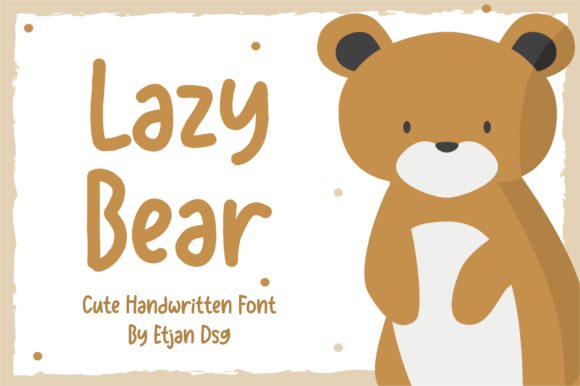
I was working on a new portfolio site for a graphic designer when I needed a font that felt personal yet professional. The client wanted to showcase their work with a touch of creativity and warmth. After testing several options, I landed on Lazy Bear. It’s a Script Handwritten Fonts that adds character without overwhelming the design.
Lazy Bear for Creative Portfolios and Personal Branding
The first time I used Lazy Bear in the hero section of the portfolio site, it immediately stood out. The font has a natural, flowing script that feels like it was written by hand—perfect for a creative brand. It’s not too bold or too soft, making it versatile for both headings and body text.
I paired Lazy Bear with a clean sans-serif font for the body copy to ensure readability. The contrast between the decorative Fonts and the straightforward body text created a balanced look. This is especially important for online portfolios where users need to quickly scan through content while still feeling connected to the designer’s personality.
Lazy Bear for Boutique Online Stores and Brand Identity
A few weeks later, I was designing a landing page for a boutique online store selling handmade jewelry. The owner wanted a font that reflected the artisanal nature of their products. Lazy Bear fit perfectly. Its cute and natural style gave the site a friendly, approachable feel that matched the brand’s aesthetic.
I used Lazy Bear for the main heading and product titles, ensuring it was legible on both desktop and mobile devices. On smaller screens, I made sure the font size was large enough to maintain clarity. The Script Handwritten Fonts added a personal touch that helped differentiate the store from competitors offering more generic designs.
Lazy Bear for Course Sales Pages and Educational Content
When I worked on a course sales page for a digital marketing coach, I needed a font that could convey expertise while remaining inviting. Lazy Bear struck the right balance. Its elegant curves and natural flow made the headline stand out without being distracting.
I tested the font on different backgrounds and found that it worked best against light tones. For dark backgrounds, I adjusted the contrast to ensure the text remained readable. The Script Handwritten Fonts also helped create a sense of trust, which is crucial for converting potential students into enrolled learners.
Lazy Bear for Blog Headers and Social Media Graphics
Another project involved redesigning a blog header for a lifestyle blogger. The goal was to make the header visually engaging while maintaining a professional tone. Lazy Bear was an excellent choice because it brought a unique personality to the design without overshadowing the content.
I used the font for the main title and subheadings, ensuring it complemented the rest of the layout. For social media graphics, I experimented with different weights and styles of Lazy Bear to create eye-catching visuals that aligned with the blog’s branding. The Script Handwritten Fonts were particularly effective for Instagram stories and Twitter headers.
Lazy Bear for Campaign Landing Pages and Promotional Materials
During a recent campaign for a local coffee shop, I designed a landing page that needed to grab attention quickly. Lazy Bear was perfect for the headline and call-to-action buttons. Its playful yet refined style made the message feel warm and inviting, encouraging visitors to take action.
I paid close attention to how the font performed on different devices. On mobile, I increased the line spacing slightly to improve readability. The Script Handwritten Fonts also helped create a sense of urgency, which is essential for conversion-focused campaigns.
Lazy Bear for Logo Design and Brand Assets
One of my favorite uses for Lazy Bear is in logo design. The font’s natural flow makes it ideal for creating logos that feel personal and authentic. I’ve used it for small business websites, where the visual identity needs to reflect the owner’s personality.
When pairing Lazy Bear with other fonts, I often choose a simple sans-serif for body text to maintain professionalism. The combination of a Script Handwritten Fonts and a clean sans-serif creates a strong visual hierarchy that guides users through the content effortlessly.
Lazy Bear for Responsive Web Design and Mobile Optimization
With the rise of mobile browsing, it’s essential to consider how fonts perform on smaller screens. Lazy Bear works well in responsive layouts because its structure remains clear even at smaller sizes. I’ve used it in headers, buttons, and navigation menus, ensuring it remains legible across all device types.
To optimize for mobile, I tested the font on various screen sizes and adjusted the spacing and weight as needed. The Script Handwritten Fonts are particularly effective when used sparingly, such as for decorative accents or short phrases, rather than long blocks of text.
Lazy Bear for Digital Brand Kits and Marketing Materials
For a digital brand kit, Lazy Bear adds a unique flair that helps differentiate the brand from others. It’s a great choice for email templates, social media posts, and downloadable assets. The font’s versatility allows it to be used in multiple formats, including webfonts, SVGs, and PDFs.
Before finalizing the use of Lazy Bear, I checked the included styles, webfont availability, and file formats to ensure compatibility with different platforms. The Script Handwritten Fonts also support multilingual characters, making them suitable for international audiences.
Overall, Lazy Bear has proven to be a valuable addition to my font library. Whether I’m designing a portfolio, a boutique store, a course page, or a promotional campaign, the font consistently elevates the design and enhances the user experience. It’s a Script Handwritten Fonts that feels both modern and timeless, making it a must-have for any web designer or creative brand looking to stand out in a crowded digital space.